Beware of Large Pizza Slices!
Pizza is pizza, and a full stomach is a full stomach. But when restaurants slice pizza into smaller pieces, you are probably likely to consume less pizza:
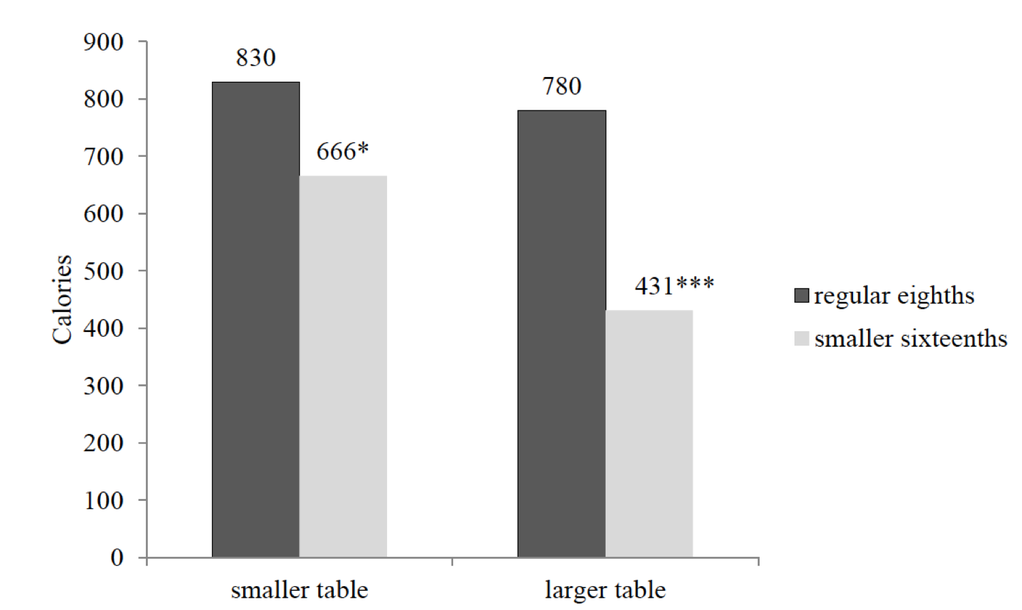

Pizza is pizza, and a full stomach is a full stomach. But when restaurants slice pizza into smaller pieces, you are probably likely to consume less pizza:
Very interesting article in the Lancet recently, from the nudge unit in the United Kingdom. They give physicians feedback on how much they prescribed antibiotics compared to their peers, and found that such feedback reduced antibiotic prescriptions. I hope to see more of this work!
A while back, I wrote a piece on the problems caused when hospitals don’t coordinate care in a way that promotes patient sleep. Now Shefali Luthra, a reporter at Kaiser Health News, has written a great piece, delving deeper into this issue. Here is the beginning of that story: Hospitals are reviewing their patient-sleep policies and…
My former employer, the University of Pennsylvania Health System, no longer hires tobacco users. It has joined a growing group of employers, including many health systems, that discriminate against smokers on the grounds that such employees cost the employer money (through loss in productivity) or, in the case of medical institutions, act against the health promoting…
Want to buy health insurance for your family? Last year, that would have cost you almost $18,000. In 1999, the cost would have been closer to $6,000. Here’s a table showing the steady rise in prices: Surprised at the $18,000 number? That’s because much of that cost is being picked up by your employer. You…
I expect we all agree that the presidency is not a job for a shrinking violet. We acknowledge that a president without self-confidence would be a disaster in the making. But just how confident do we want our president to be? Is the kind of extroversion that helps people succeed in modern political campaigns also…

“Is Information Always A Good Thing?” – Medical Care