What Americans Are Eating – Now vs 2000
A JAMA study shows how our diets have changed since 2000. The big winners?
Nuts
Whole grains
Whole fruits
The big losers?
Sugar sweetened beverages
Fruit juice
White potatoes
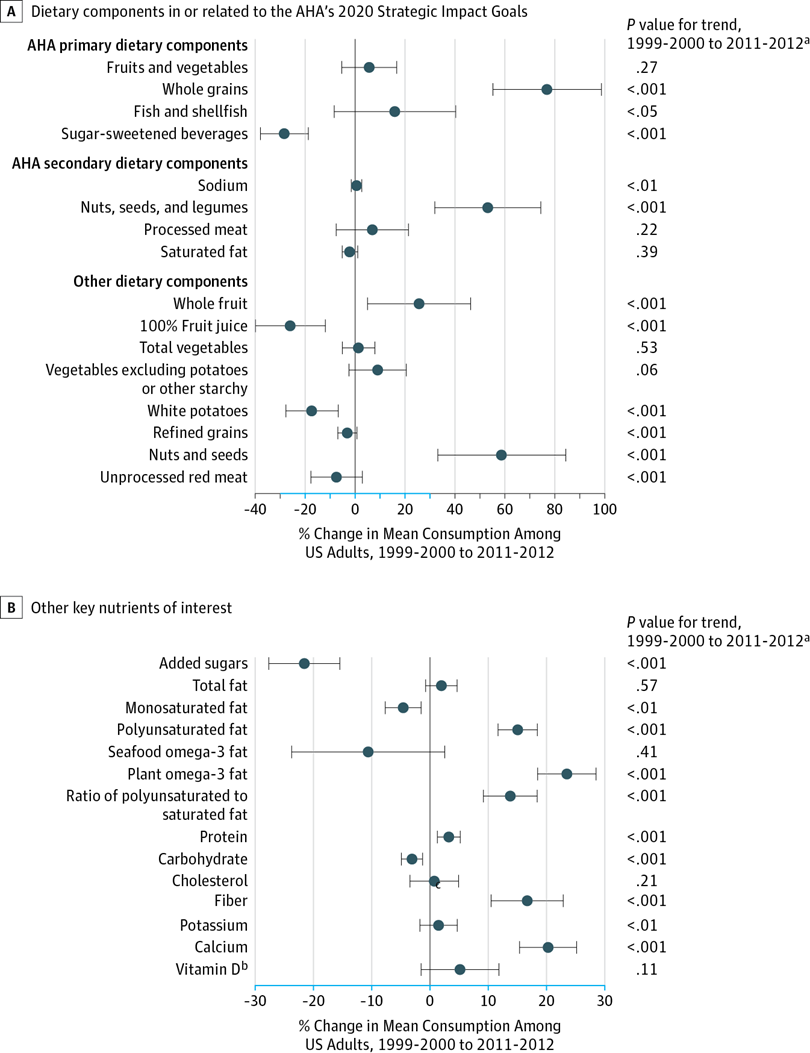
A JAMA study shows how our diets have changed since 2000. The big winners?
Nuts
Whole grains
Whole fruits
The big losers?
Sugar sweetened beverages
Fruit juice
White potatoes
Here is a great piece on my former student, Jessica Harris, who now works in health care price transparency at Aetna. She visited my class this summer, and here are some of the things she taught them: The evolution of transparency in the industry: “2013 and 2014 have been really important years for transparency and…
“Your New Liver Is Only a Learjet Away” – Forbes
It would have been a difficult ending under the best of circumstances. Composing what would be his last opera, Giacomo Puccini was struggling to humanize Turandot, daughter of the Emperor and a woman of mesmerizing beauty. Early in the opera, she had cruelly disposed of a series of want-to-be suitors, beheading some and torturing others,…
Most people in the United States get health insurance either through their employer or through government programs like Medicare and Medicaid. But some people have to find other ways to get healthcare insurance, with an increasing number of people doing so through the Obamacare exchanges, or “marketplaces.” In fact, according to the Kaiser Family Foundation…
Most conservatives agree that Medicaid costs are too high. Most liberals agree that Medicaid patients should receive necessary medical care for free. And both conservatives and liberals agree that we should embrace ways to encourage Medicaid patients to obtain important preventive care services, in hopes that such services will lower healthcare costs by promoting public…
“Specialty drugs” – that’s what they’re called. Not the pills of old, these pharmaceuticals are often given intravenously or through injection. Often more biologic in their synthesis than chemical, they are expensive to produce and often target narrow disease processes, meaning the number of patients likely to benefit from them is much much smaller than,…