Today’s Science Lesson
Today’s science lesson is sponsored by XKCD comics.
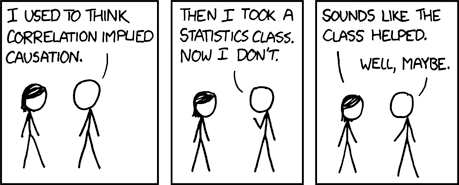 You can find more at http://xkcd.com/, in case you haven’t checked it out before.

Today’s science lesson is sponsored by XKCD comics.
You can find more at http://xkcd.com/, in case you haven’t checked it out before.
Shutterstock American physicians deserve to be paid well for their work. As a physician, myself, I know what it takes to become a doctor in the U.S. Four years of late nights in the college library in hopes of achieving a GPA commensurate with medical school admission; then four years of medical school, which makes…
The bill she received in the mail revealed a staggering figure — $9,225 for one infusion of Avastin, a chemotherapy drug. And she would need many more such infusions. Fortunately, the dollar amount is what medical experts call a “charge,” which in normal marketplaces refers to the amount a provider expects for the good or…
For much of the history of U.S. medical care, hospitals and physicians have existed as separate financial entities. Physicians in the U.S. have typically been self-employed, as solo or group practitioners and not as hospital employees. An internist like me might have admitting privileges to several local hospitals. When we admit patients to one of…
Here’s a picture from @RAdamsDudleyMD, one that, sadly, is consistent with many previous studies. The US doesn’t measure up in giving people access to medical care.
A recent New York Times op-ed by Joanne Lipman poses the question: “Is music the key to success?” As a serious amateur musician, I have long credited my half-way respectable pianistic accomplishments to the discipline I gained practicing Chopin etudes, and even to the teamwork I developed practicing Beethoven piano trios. In fact, I frequently pull out these…
The Affordable Care Act has done a lot to increase the proportion of Americans with health insurance. I’ve posted a lot of those figures in the past. But here is some data, published by a former student of mine, showing that the law doesn’t seem to be having a huge impact yet on people ages…