Quote of the Day
“When many remedies are proposed for a disease, that means the disease is incurable.”
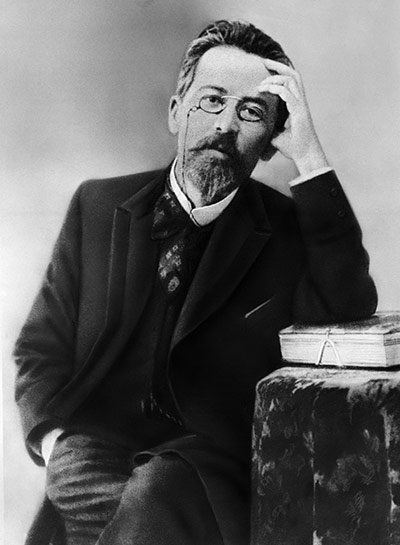
-Anton Chekhov

“When many remedies are proposed for a disease, that means the disease is incurable.”
-Anton Chekhov
A recent Time magazine article by Steven Brill has received a lot of attention, for highlighting some of the crazy ways that hospital set their prices. One quote in particular caught my attention. It had to do with what hospitals call the charge master, which is essentially a big list of what they charge for…
Oscar Wilde is one of the most quotable people in history of the English language. He even had ideas about robots, many decades before people had any idea what robots could achieve. And in typical Wildean fashion, he provocatively tied it together with his attitudes on the advantages of slavery: “Unless there are slaves to…
Do you feel like your out of pocket medical expenses are growing? You are not alone. Even for people getting Medicare, the amount of money coming out of patients pockets is growing too. And it is growing not only because all health care spending is growing, but also because patients are being asked to bear…
Whether you believe in God or not, belong to a specific faith or not, it is hard to deny the logic of the following statement: “All those religions. They can’t all be right. But they can all be wrong.” – Anonymous member of utopian Zoar community, on her deathbed. (Click here to view comments)
I recently heard Dan Sulmasy give an ethics talk at a conference. Like me, Dan is a general internist. In his talk, he quoted a former President of the Society of General Internal Medicine and I thought I’d pass the quote along. That former President was Nicole Lurie, who now works for the federal government…
Back in early February, Brown authored an article on the North Dakota oil boom. It is a great piece of reporting. Also, a fine bit of writing, as captured by this sentence: In a way, of course, this kind of frontier is as much a state of mind as an actual place, a melancholy mood…