Gorillacillin and the Tragedy of the Commons
 Was I right to prescribe an inferior medication to my patient?
(Read the rest and view comments at Critical Decisions)

Was I right to prescribe an inferior medication to my patient?
(Read the rest and view comments at Critical Decisions)
Andrews was easily the most anxious patient I took care of that month, a gray Michigan February (is there any other kind?) which I spent in the hospital caring for patients admitted to the general medical ward at the Ann Arbor Veterans Affairs Medical Center. (Andrews is a pseudonym, as are all the patients I blog about, unless…
Here is a news article discussing a paper I wrote with Michael Volk, in which we try to find ways to keep doctors from harming patients by finding and then getting all worked up over what we in medicine call incidentalomas–unexpected and ultimately benign findings that show up with unnecessary tests. The article is in the Archives of Internal Medicine this week.
Dr. Timothy Wilt, a member of the United States Preventive Services Task Force, stood in front of the American Urological Association audience and explained why the task force could not recommend that men undergo routine PSA screening. At most, he explained, the test had been shown to benefit one out of 1000 men.
read more
JoAnn Pushkin’s breast cancer was diagnosed at an advanced stage because the density of her breasts obscured the tumor on her mammograms. That was shocking news to Pushkin, who only learned that her breasts were radiologically dense at the time of her diagnosis. Activated by this revelation, she has become a leading advocate of legislation,…
The American Society of Clinical Oncology is one of the leading specialty organizations for physicians who take care of patients with cancer. A reporter from ASCO just wrote a nice piece, in which she questioned me to go into more detail about the challenge of discussing cost of care with oncology patients. I thought I…
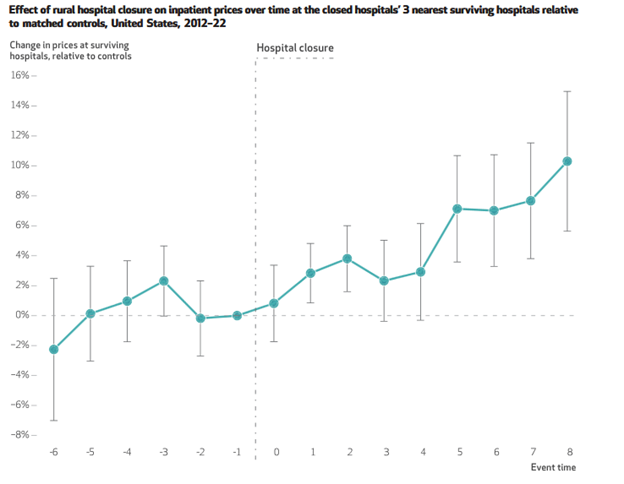
Under the Big Beautiful Bill, the federal government is making steep cuts to Medicaid funding. Those cuts could increase the price you pay for medical care. Here’s why when the government cuts Medicaid funding, we all pay the price. Read more here