Beware of Large Pizza Slices!
Pizza is pizza, and a full stomach is a full stomach. But when restaurants slice pizza into smaller pieces, you are probably likely to consume less pizza:
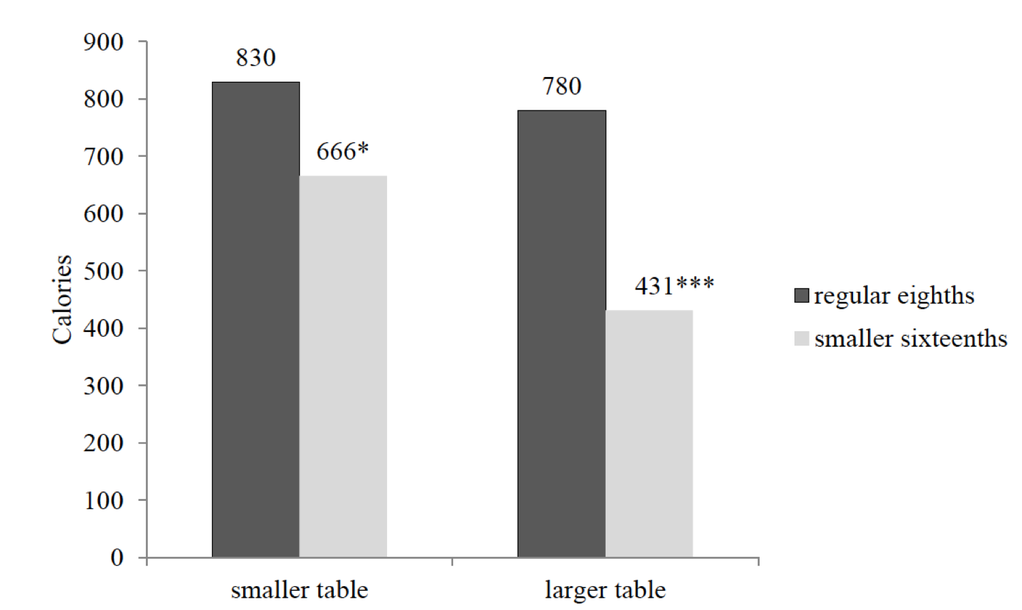

Pizza is pizza, and a full stomach is a full stomach. But when restaurants slice pizza into smaller pieces, you are probably likely to consume less pizza:
Let’s face it – us men are disgusting. So public policy experts are left to figure out how to keep us from behaving in our normally disgusting manner. Here’s one approach (thanks to Geoff Riley for bringing it to my attention): Think it will work?
With Thanksgiving behind us, many Americans will not assemble together for a home-cooked meal again for a while. By some estimates, people living in large cities consume the majority of their meals outside the home — at restaurants, coffee shops, bars and food trucks. No surprise, then, that anti-obesity policies are increasingly focused on helping Americans…
Shutterstock Legalizing medical marijuana is controversial. Physicians have not always prescribed controlled substances wisely, as a look at our narcotic epidemic confirms. But marijuana is much safer than narcotics and, according to a recent study, might even save us money, by reducing people’s need for other, often more expensive medications. Most notably, marijuana can be…

African Americans make up 13% of the country’s population, but only 4% of American physicians are black. This lack of racial diversity in the profession is tragic, denying this prestigious career to many worthy people and undermining the health of many African Americans, who are more likely to receive important medical services when they’re cared for by black…
Some medical services are unnecessary. Is it your first day of uncomplicated lower back pain? You don’t need an x-ray. But many patients continue to receive such services anyway, perhaps because they demand them or, perhaps, because their providers keep recommending them. But does the likelihood of unnecessary services depend on your insurance? Specifically, do Medicaid…
In an earlier post, I wrote about JFK’s disdain for domestic politics, and how such disdain doomed his lackluster efforts to pass Medicare legislation. As it turns out, Richard Nixon, the man he defeated in the 1962 Presidential Election, held similar disdain for domestic affairs when he was President of the United States, and not…